

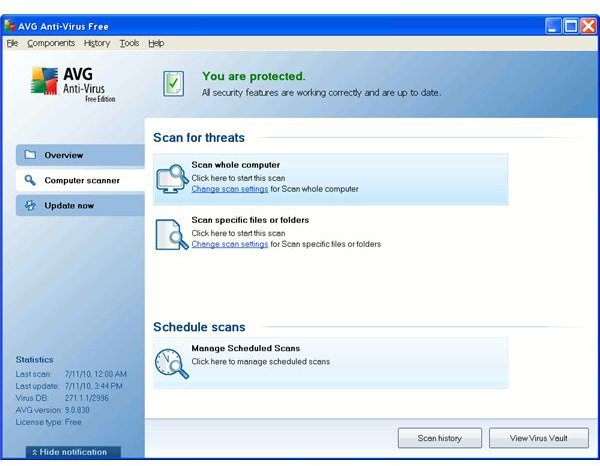
Installing AVG Antivirus is a crucial step in ensuring your computer’s security. However, sometimes the installation may fail due to various reasons such as system incompatibilities, internet issues, or corrupted files. If you face installation problems, follow these troubleshooting steps to get AVG working on your device.
1. Check System Requirements
Before troubleshooting further, make sure your device meets the system requirements for installing AVG. If your system doesn’t meet the minimum requirements, the installation may fail.
Minimum System Requirements for Windows:
-
Windows 7 (SP1) or higher
-
2 GB of RAM
-
2 GB of free disk space
Minimum System Requirements for Mac:
-
macOS 10.12 or later
-
1 GB of RAM
-
500 MB of free disk space
If your system doesn’t meet these requirements, upgrade your hardware or software to ensure compatibility.
2. Check Your Internet Connection
A weak or intermittent internet connection can cause issues during the download or installation process. Ensure you have a stable internet connection and try again.
-
Use a Wired Connection: If you’re on Wi-Fi, consider switching to a wired connection for better stability during installation.
-
Test Your Connection: Open a website or stream a video to verify your internet speed.
3. Disable Antivirus and Firewall Temporarily
Sometimes, other antivirus software or firewall settings can block AVG’s installation. Temporarily disabling your existing antivirus or firewall can help.
Disable Antivirus Software:
-
Open your antivirus software.
-
Find the option to turn it off or disable it temporarily.
-
Proceed with the AVG installation.
Disable Windows Firewall:
-
Open Control Panel > System and Security > Windows Defender Firewall.
-
Click Turn Windows Defender Firewall on or off.
-
Select Turn off Windows Defender Firewall for both private and public networks.
Once AVG is installed, make sure to re-enable your firewall and antivirus.
4. Run the AVG Installer as Administrator
Running the AVG installer with administrator privileges can sometimes resolve permission issues that prevent successful installation.
Steps to Run as Administrator:
-
Right-click the AVG installer file.
-
Select Run as Administrator from the menu.
-
Follow the on-screen instructions to complete the installation.
5. Use AVG’s Offline Installer
If the standard installation method is not working, try downloading and using the offline installer. The offline version doesn’t require an internet connection during installation.
Steps for Offline Installation:
-
Visit the AVG website and download the Offline Installer for your operating system.
-
Run the installer and follow the prompts to complete the installation.
6. Clear Temporary Files and Restart the Computer
Corrupted or leftover files from previous installations may interfere with AVG’s installation. Clearing temporary files and restarting your PC can often fix these issues.
Steps to Clear Temporary Files on Windows:
-
Press Windows + R to open the Run dialog box.
-
Type %temp% and press Enter.
-
Select all files and delete them.
-
Restart your computer and try installing AVG again.
7. Use AVG Remover Tool
If you previously had AVG or another antivirus installed, remnants of the old software might cause conflicts during installation. AVG provides a dedicated AVG Remover Tool to cleanly remove all traces of previous installations.
Steps to Use the AVG Remover Tool:
-
Download the AVG Remover Tool from the official AVG website.
-
Run the tool and follow the prompts to remove any leftover files.
-
Restart your computer and attempt to install AVG again.
8. Check for Windows Updates
Outdated Windows software may also prevent AVG from installing properly. Make sure your system is up to date with the latest updates.
Steps to Check for Updates:
-
Open Settings > Update & Security > Windows Update.
-
Click Check for Updates and install any pending updates.
-
After updating, restart your computer and try installing AVG.
9. Reboot Your System in Safe Mode
If installation issues persist, try installing AVG in Safe Mode. Safe Mode starts Windows with a minimal set of drivers and programs, which can help resolve conflicts with other software.
Steps to Enter Safe Mode:
-
Restart your computer.
-
Before Windows starts, press F8 repeatedly to access the Advanced Boot Options menu.
-
Select Safe Mode and press Enter.
-
Try installing AVG while in Safe Mode.
10. Contact AVG Support
If none of the above solutions work, you may need to contact AVG’s customer support for further assistance. They can provide specific troubleshooting steps or offer a solution tailored to your system.
How to Contact Support:
-
Visit the AVG Support page.
-
Use their live chat, email, or phone support to get assistance.
Conclusion
Installing AVG Antivirus should be a quick and easy process, but sometimes it can fail due to system conflicts or other issues. By following these troubleshooting steps, you can resolve common problems that cause AVG installation to fail. If you continue to face issues, contacting AVG support will ensure you get the help you need. Stay secure by getting AVG installed and protecting your devices from online threats.


